Explained: How Much Legal Leaders Trust AI in High-Stakes Decisions
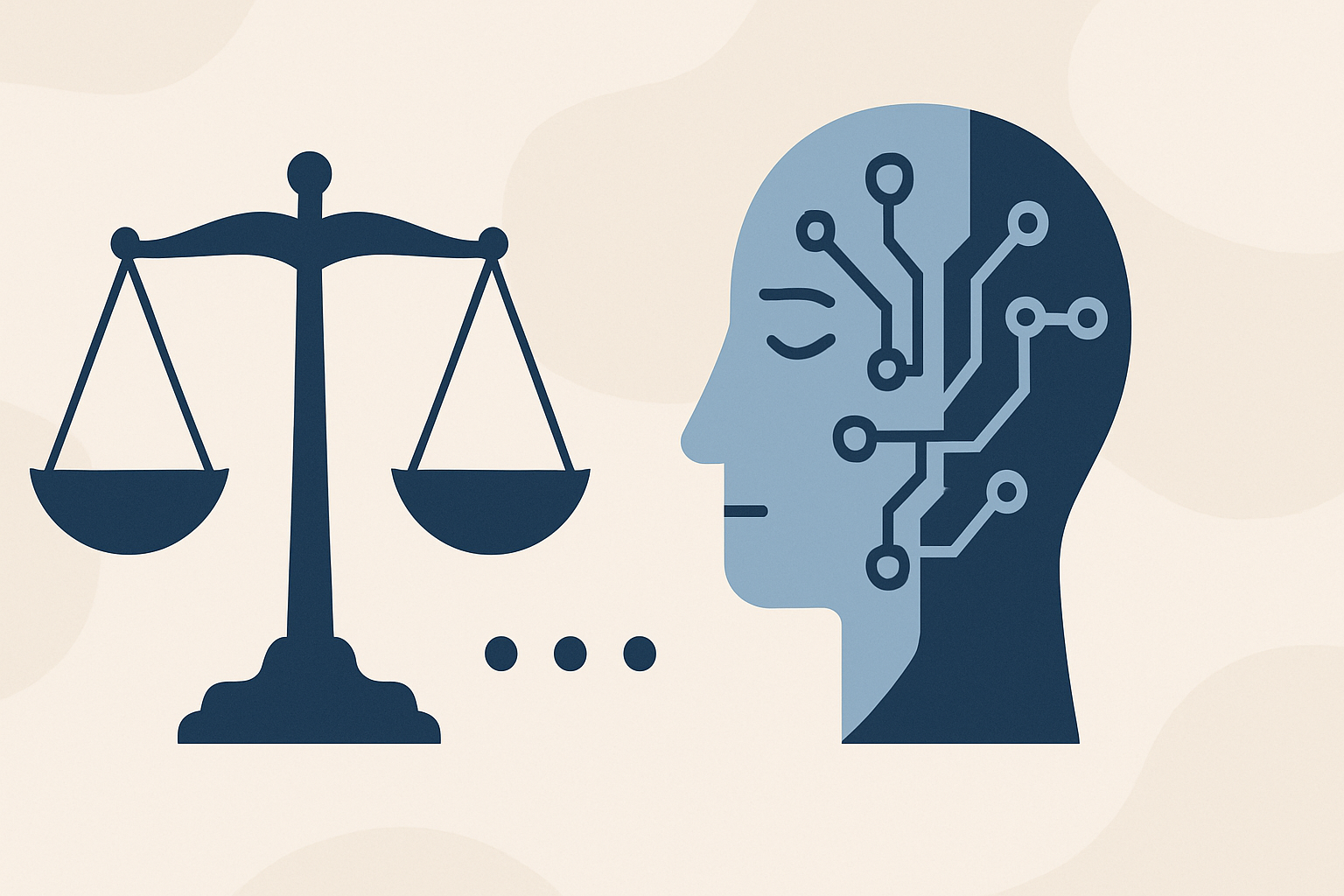
Legal leaders generally trust AI for lower-risk tasks such as document review and legal research but withhold or reduce trust for high-stakes decisions like predicting case outcomes or setting litigation strategy and insist on human oversight. Their willingness to rely on AI depends on proven accuracy, transparent decision-making, integration with existing workflows, and the ability to customize systems to legal needs.
Key takeaways
- Legal leaders commonly trust AI for lower-risk tasks where accuracy is crucial, such as document review and legal research.
- Trust falls off for high-stakes uses, including predicting litigation outcomes and setting litigation strategies, and many legal professionals will not rely solely on AI for those decisions.
- Lack of transparency in how AI reaches conclusions is a major barrier because legal professionals need clear explanations of decision paths.
- Real-world examples show trust can grow: a contract analysis tool reduced review time while maintaining accuracy, and a compliance AI earned trust by quickly updating to new rules.
- Practical steps to build trust are transparent AI operations, regular audits and algorithm updates, and training legal teams on how the systems work.
Explained: How Much Legal Leaders Trust AI in High-Stakes Decisions
The advent of artificial intelligence (AI) in the legal field has sparked significant debate about how much legal leaders trust these technologies, especially when it comes to high-stakes decisions. A recent study sheds light on this issue, revealing both opportunities and challenges. In this article, we delve into how much legal leaders trust AI, exploring the factors that influence their trust and the implications for the industry. For further insights, you can read more on Harvard Business Review.
1. The Current Landscape: How Much Legal Leaders Trust AI
In today's rapidly evolving legal landscape, the integration of AI tools has become increasingly prevalent. Many legal leaders are beginning to see the value in AI for streamlining processes and enhancing decision-making capabilities. However, the trust in these tools varies significantly depending on several factors, including the perceived accuracy and reliability of AI systems.
- Practical point 1: Legal leaders often trust AI for tasks such as document review and legal research, where the stakes are lower, and accuracy is paramount.
- Practical point 2: In contrast, when it comes to high-stakes decisions, such as predicting case outcomes or setting litigation strategies, the trust in AI diminishes significantly.
- Practical point 3: The lack of transparency in AI decision-making processes is a major barrier to trust, as legal professionals require a clear understanding of how conclusions are reached.
For more on the impact of AI in business decision-making, check out our article on Artificial Intelligence Reshaping the Way News Is Created, Verified, and Consumed.
2. Key Factors Influencing How Much Legal Leaders Trust AI
The degree to which legal leaders trust AI is influenced by several key factors. These include the technology's proven accuracy, the ability to integrate with existing systems, and the extent to which AI solutions can be tailored to meet specific legal needs.
One significant factor is the historical accuracy and performance of AI systems in legal applications. Leaders are more likely to trust technologies that have consistently delivered reliable results. Additionally, the ability of AI to seamlessly integrate with existing legal workflows is crucial. Systems that require extensive changes to established processes often face resistance.
Furthermore, customization plays a vital role. AI solutions that can be tailored to the specific requirements of a legal team are more likely to gain trust. More insights on AI's role in marketing solutions can be found in our blog post, Former Fourth Paradigm President Pioneers AI Marketing Solutions.
3. The Role of AI in Risk Management: How Much Legal Leaders Trust
Risk management is a critical area where AI has the potential to make a significant impact. AI systems can analyze vast amounts of data to identify potential risks and suggest mitigation strategies. However, the degree to which legal leaders trust these systems varies.
For instance, AI's ability to predict the likelihood of litigation outcomes can be a powerful tool for risk assessment. Yet, many legal professionals remain cautious about relying solely on AI's predictions without human oversight. Trust in AI for risk management is often contingent upon the perceived reliability of the data and algorithms used.
One of our featured interviews, AI and the Future of Content Marketing: A Dynamic Discussion, explores similar themes of trust and reliability in AI applications.
4. Real-World Applications: How Much Legal Leaders Trust AI in Practice
Several real-world applications highlight how much legal leaders trust AI in practice. These examples demonstrate both the potential and the limitations of AI in legal settings.
- Example 1: A major law firm implemented an AI-driven contract analysis tool, significantly reducing the time needed for document review while maintaining accuracy. Despite initial skepticism, the tool gained trust due to its consistent performance.
- Example 2: In another case, a legal department used AI to manage compliance with evolving regulations. The AI system's ability to quickly update and adapt to new rules earned the trust of legal leaders who initially doubted its capabilities.
For additional context on AI's application in legal and business settings, see our post, Newsletter Growth for SaaS Companies: A Practical Framework.
5. Best Practices for Building Trust in AI Among Legal Leaders
Building trust in AI among legal leaders involves several best practices that can enhance confidence in these technologies.
- Best Practice 1: Transparency in AI operations is crucial. Legal leaders need clear explanations of how AI systems arrive at decisions to build trust.
- Best Practice 2: Regular audits and updates of AI algorithms ensure they remain accurate and relevant, further building trust.
- Best Practice 3: Providing legal professionals with training on AI systems helps demystify the technology and fosters greater trust in its capabilities.
To dive deeper into AI's role in business, visit ContentPod for comprehensive resources and insights.
6. Common Challenges in Trusting AI for Legal Decisions
Despite the potential benefits, several challenges hinder how much legal leaders trust AI in decision-making processes. Recognizing these challenges is the first step toward overcoming them.
One major challenge is the potential for bias in AI algorithms. Legal decisions require impartiality, and any bias in AI systems can lead to mistrust. Additionally, the complexity of AI systems can be a barrier. Legal professionals may struggle to understand how AI arrives at certain conclusions, leading to skepticism.
External resources such as Content Marketing Institute provide further insights into overcoming these challenges and building trust in AI.
Conclusion: Making the Most of How Much Legal Leaders Trust AI
As AI continues to reshape the legal industry, understanding how much legal leaders trust these technologies is crucial for successful integration. By addressing the challenges and implementing best practices, legal professionals can harness the full potential of AI. For more resources on AI and its impact, visit ContentPod. The journey towards trust in AI is ongoing, but the benefits of embracing this technology are undeniable.
Frequently Asked Questions
What is meant by how much legal leaders trust AI?
It refers to the degree of confidence legal professionals have in AI systems to perform specific tasks reliably, particularly in high-stakes scenarios. Trust is influenced by factors such as accuracy, transparency, and integration with existing processes.
Why is trust in AI important for legal leaders?
Trust is essential because it determines the extent to which legal professionals are willing to rely on AI for critical decisions. High trust levels can lead to more efficient and effective legal operations, while low trust can hinder AI adoption.
How can legal teams increase their trust in AI?
Legal teams can increase trust by ensuring AI systems are transparent, regularly audited, and customized to meet specific needs. Providing training and clear communication about AI capabilities also helps build confidence.
References & Further Reading
- New Study Sheds Light on AI Trust Among Legal Leaders
- The AI Manager: How Much Trust is Too Much?
- How to Build Trust in AI for Content Marketing
- AI in Marketing: Trust Challenges and Solutions
Share this post
You Might Also Like
Discover more content tailored to your interests
 Highly Relevant
Newsletter Growth Marketing Teams: Practical Playbook
A newsletter growth marketing team is a repeatable operating model that combines audience targeting, signup conversion, editorial planning, and performance review into one shared workflow to attract qualified subscribers, retain attention, and produce measurable business results. For the model to work, teams must define a clear audience and a primary growth outcome before deploying tactics.
Read More Highly Relevant
Content calendar planning for B2B: mistakes to avoid
Align your calendar to recurring buyer questions and buying-stage needs so each asset helps prospects compare options, reduce implementation risk, or move closer to purchase. Pick a sustainable cadence of fewer, stronger pieces and make the calendar a repeatable operating system rather than a collection of urgent one-offs.
Read More Highly Relevant
newsletter growth saas companies complete guide 2026
Newsletter growth for SaaS means growing qualified email subscribers who support activation, retention, pipeline, and revenue rather than chasing list size alone. The most effective approach pairs a clear subscriber promise with targeted signup paths, useful content and segmentation, and measurement that links to business outcomes.
Read MoreReady to create amazing podcast content?
Choose a plan and start generating professional podcast content with AI
View Pricing Plans