Maximizing Success with AI-Assisted Content Repurposing Marketing
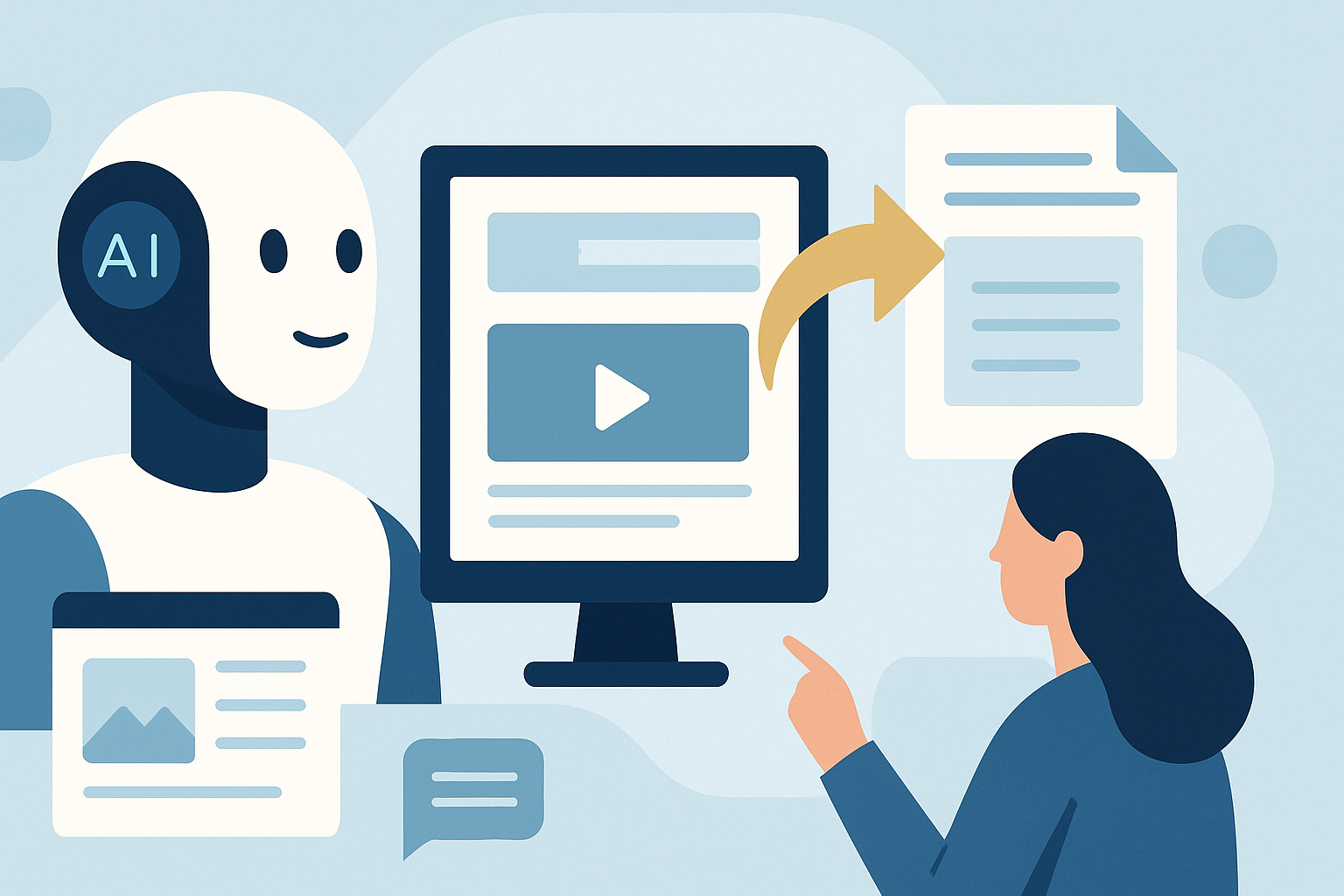
AI-assisted content repurposing marketing uses artificial intelligence to turn existing content into new formats and distribute it across channels to extend reach, raise engagement, and save time. It also automates routine tasks, analyzes audience signals to prioritize repurposing opportunities, and suggests edits and formats that fit each platform.
Key takeaways
- AI tools can analyze large datasets to identify which pieces of content resonate most with audiences, enabling targeted repurposing decisions.
- A practical strategy begins by auditing existing content, using AI to assess engagement metrics, and setting clear objectives and KPIs to measure success.
- Available technologies include natural language processing and analytics platforms that can generate summaries, produce multimedia assets, and personalize content for audience segments.
- Follow best practices: start with high-quality source content, use data-driven insights to guide repurposing, and review your approach regularly to adapt to new trends.
- Common challenges are over-reliance on automation, which can reduce the human touch, and data privacy concerns; maintain a balance between AI and human creativity and ensure compliance with data protection rules.
Maximizing Success with AI-Assisted Content Repurposing Marketing
In the fast-paced world of digital marketing, staying ahead of the curve often means embracing innovative technologies. One such advancement is AI-assisted content repurposing marketing. This powerful strategy leverages artificial intelligence to breathe new life into existing content, enhancing reach and engagement. In this guide, we'll explore a 30-day plan to implement AI-assisted content repurposing marketing effectively, unveiling strategies, best practices, and common pitfalls to avoid. Whether you're new to content marketing or seeking to optimize your current strategy, this article will provide invaluable insights.
1. Understanding AI-Assisted Content Repurposing Marketing
AI-assisted content repurposing marketing is the process of using artificial intelligence to transform existing content into new formats and distribute it across different channels. This approach not only maximizes the value of your content but also ensures a consistent brand message. By leveraging AI, marketing teams can efficiently analyze audience preferences, predict trends, and optimize content delivery.
- Practical point 1: AI tools can analyze large datasets to identify what content resonates most with audiences, allowing for targeted repurposing efforts.
- Practical point 2: Automation of repetitive tasks such as content curation and scheduling frees up valuable time for creative processes.
- Practical point 3: AI can help tailor content to different platforms by suggesting edits and formats that best suit each channel.
For a deeper dive into the mechanics of AI in content marketing, visit the ContentPod website.
2. Developing an AI-Assisted Content Strategy
Creating a strategy for AI-assisted content repurposing marketing involves several key steps. Begin by auditing your existing content to identify assets with potential for repurposing. Next, use AI tools to assess audience engagement metrics, which will inform your content transformation choices. It's crucial to set clear objectives and KPIs to measure the success of your repurposing efforts.
For further insights on maximizing efficiency, consider reading Maximizing Efficiency with AI-Assisted Content Repurposing SaaS.
3. Tools and Technologies for AI-Assisted Content Repurposing
Numerous AI tools can aid in content repurposing, from natural language processing applications to advanced analytics platforms. These technologies can automatically generate content summaries, create multimedia assets, and even personalize content for specific audience segments. Exploring these tools' capabilities will allow you to choose the best fit for your marketing needs.
For insights into how AI is shaping the future of content marketing, refer to the AI and the Future of Content Marketing: A Dynamic Discussion.
4. Practical Examples of AI-Assisted Content Repurposing
Real-world applications of AI-assisted content repurposing marketing demonstrate its potential to transform marketing strategies. For instance, a blog post can be converted into an engaging video, a series of social media posts, or even an informative podcast episode. AI tools can help streamline these transformations, ensuring content remains relevant and impactful.
- Example 1: A company used AI to turn a successful webinar into a multi-part blog series, reaching a broader audience.
- Example 2: Another brand leveraged AI to create personalized email content from a whitepaper, boosting their email engagement rates significantly.
Explore more about building and scaling AI applications in our comprehensive guide.
5. Best Practices for AI-Assisted Content Repurposing Marketing
To effectively implement AI-assisted content repurposing marketing, follow these best practices:
- Best Practice 1: Start with high-quality content. AI can enhance and repurpose content, but it cannot improve poor-quality material.
- Best Practice 2: Use data-driven insights to guide your repurposing efforts. AI tools can provide valuable analytics to inform your strategy.
- Best Practice 3: Regularly review and adjust your strategy. The digital landscape is ever-changing, and your approach should be flexible enough to adapt to new trends.
For more actionable strategies, visit the ContentPod website.
6. Overcoming Challenges in AI-Assisted Content Repurposing
While AI-assisted content repurposing marketing offers numerous benefits, it's essential to be aware of potential challenges. Common issues include over-reliance on automation, which can lead to a loss of human touch, and data privacy concerns related to AI analytics. To overcome these challenges, maintain a balance between AI and human creativity, and ensure compliance with data protection regulations.
For additional resources on overcoming marketing challenges, consider visiting HubSpot.
Conclusion: Making the Most of AI-Assisted Content Repurposing Marketing
Embracing ai-assisted content repurposing marketing can significantly enhance your marketing strategy, allowing for more efficient use of resources and broader audience reach. By implementing the strategies outlined here, you'll be well on your way to maximizing the potential of your content. For further guidance and resources, consider exploring the offerings from ContentPod.
Frequently Asked Questions
What is ai-assisted content repurposing marketing?
AI-assisted content repurposing marketing involves using artificial intelligence to transform existing content into various formats for distribution across multiple channels. This approach leverages AI's capabilities to analyze audience preferences and optimize content delivery.
How can AI tools enhance content repurposing?
AI tools can streamline the content repurposing process by automating tasks such as content curation and scheduling, analyzing audience data to inform strategy, and suggesting optimal formats for different platforms.
What are some common challenges in AI-assisted content repurposing marketing?
Challenges include maintaining a balance between automation and human creativity, ensuring compliance with data privacy regulations, and avoiding over-reliance on AI, which can lead to a loss of personal touch in content.
References & Further Reading
- What is Content Repurposing?
- AI in Content Marketing Strategies
- How to Repurpose Content for Maximum Impact
- Ultimate Guide to Content Marketing
Share this post
You Might Also Like
Discover more content tailored to your interests
 Highly Relevant
Newsletter Growth Marketing Teams: Practical Playbook
A newsletter growth marketing team is a repeatable operating model that combines audience targeting, signup conversion, editorial planning, and performance review into one shared workflow to attract qualified subscribers, retain attention, and produce measurable business results. For the model to work, teams must define a clear audience and a primary growth outcome before deploying tactics.
Read More Highly Relevant
Content calendar planning for B2B: mistakes to avoid
Align your calendar to recurring buyer questions and buying-stage needs so each asset helps prospects compare options, reduce implementation risk, or move closer to purchase. Pick a sustainable cadence of fewer, stronger pieces and make the calendar a repeatable operating system rather than a collection of urgent one-offs.
Read More Highly Relevant
newsletter growth saas companies complete guide 2026
Newsletter growth for SaaS means growing qualified email subscribers who support activation, retention, pipeline, and revenue rather than chasing list size alone. The most effective approach pairs a clear subscriber promise with targeted signup paths, useful content and segmentation, and measurement that links to business outcomes.
Read MoreReady to create amazing podcast content?
Choose a plan and start generating professional podcast content with AI
View Pricing Plans